What water damage restoration actually is
Water damage restoration is the process of removing standing water from a home, drying the structure itself — subfloors, wall cavities, framing — and then repairing what the water damaged. The order matters. Repair before drying traps moisture inside walls, and trapped moisture is what grows mold a month later.
Seattle gives this process no slack. The rain runs October through spring, the ground stays saturated, and a lot of the housing stock in Ballard, Wallingford and the Rainier Valley is old enough to have original pipes, tired sewer laterals and basements that were finished long after the house was built. Water damage Seattle homeowners deal with rarely starts as a disaster. It starts as a water heater letting go in the night, a supply line splitting behind a bathroom wall, a floor drain backing up during a storm. It becomes a disaster when it sits.
How it works
You call
Call the number on this page and tell the coordinator what happened — a burst pipe, a flooded basement, a sewage backup, whatever you are dealing with.
We connect you
We connect your call to an independent water damage restoration provider who serves your part of Seattle and can take the job.
They respond
The provider talks with you directly, arranges to come out, assesses the damage in person and explains the work and the cost before anything begins.
We are a connecting service, not a restoration contractor. The provider who responds is an independent third-party company, and any agreement for work is between you and that provider.
The calls we connect most in Seattle
Water Extraction
Standing water pulled out with pumps and extraction equipment. Emergency water extraction is what stops a bad night from becoming a torn-out floor.
Flood Cleanup
After heavy rain, a failed drain or water that got in from outside, flood cleanup means removal, cleaning and a proper dry-out.
Burst Pipe Damage
A split pipe can release hundreds of gallons before you find the shutoff. Get connected with help that stops the damage chain.
Basement Flooding
Basement flooding ruins carpet, drywall and everything stored down there. Water out, space dried, entry point identified.
Sewage Backup
Sewage water is a health hazard, not a cleaning project. Providers remove it and sanitize the space with the right process.
Mold Prevention After Water Damage
Drying done right is what keeps mold from moving in after a leak. Here is what thorough drying and prevention look like.
Storm & Roof Leak Damage
Wind-driven rain gets under shingles and flashing and soaks ceilings quietly. This is how that damage gets found and fixed.
Insurance Claim Help
General information only: documenting damage, what insurers usually ask for, and how your provider's paperwork supports a claim.
Some calls are one burst pipe and a fast extraction. Others start with basement flooding in Delridge, a sewage backup in Northgate, or water removal after a week of rain finds the low corner of a West Seattle home. Whatever the version, the first steps of water damage cleanup are always the same: stop the source, get the water out, dry what is left with readings, not guesses.
What happens while the water sits
The first hours: water spreads under flooring and into wall cavities, further than the wet patch you can see. Every hour of standing water is an hour of new territory getting wet.
Within a day or two: mold can start growing on wet drywall, carpet padding and wood in a warm house. This is the window that decides whether drying solves the problem or removal joins the bill.
Within the first week: hardwood starts cupping, laminate swells at the seams, and drywall that stayed wet goes soft. Materials that could have been dried in place now have to come out.
After that: the repairs get bigger, the smell sets into the structure, and insurers start asking why mitigation waited — a question you do not want attached to your claim. The cheapest version of every water damage job is the one that starts today.
What these calls look like
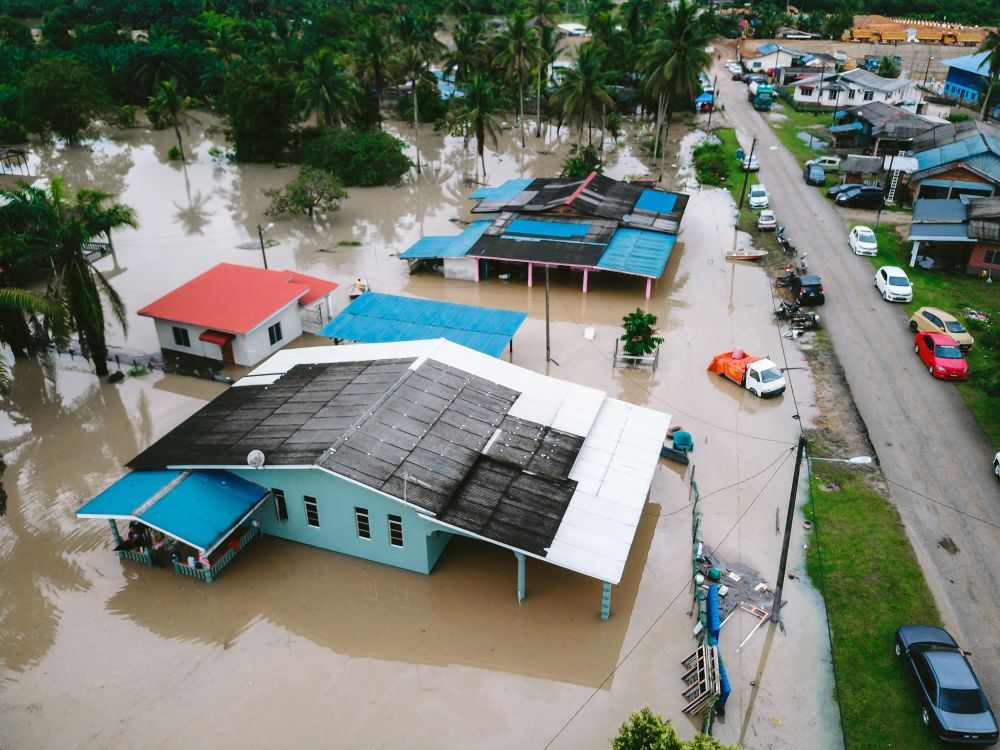
Flooding after heavy rain
Streets flood, drains back up, and ground floors take the water. This is the storm-season call in Seattle.
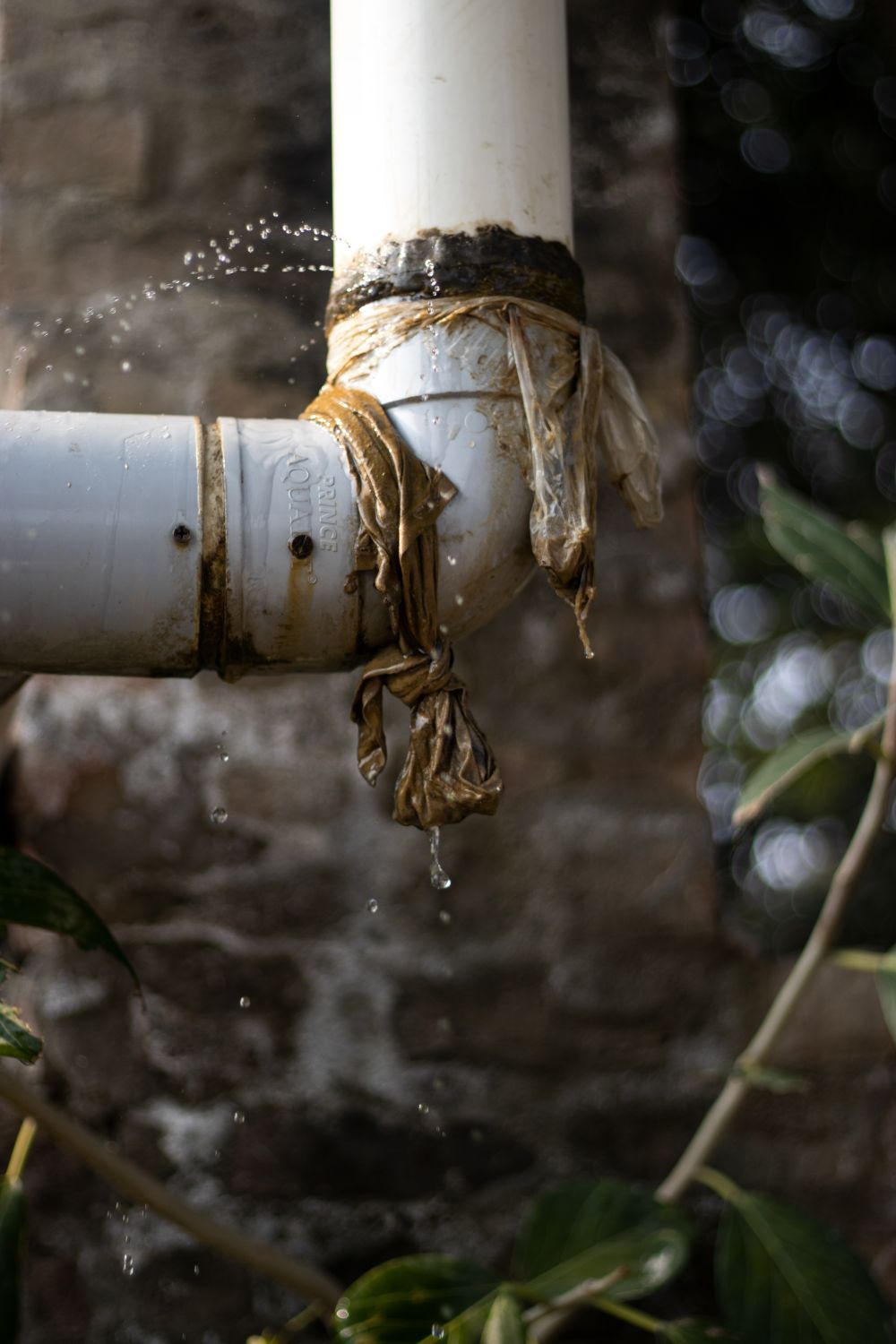
A pipe lets go
One cracked joint can soak a wall cavity for weeks before a stain gives it away.

Cleanup done properly
Wet materials get cleaned and sanitized, then dried and checked, so mold never gets its window.
Water damage repair: what happens after the drying
Once a structure is dry, the repair list writes itself: drywall that stayed wet too long, buckled hardwood, swollen cabinets, ruined insulation, baseboards that wicked water a foot up the wall. When homeowners ask about water damage repair Seattle providers can actually stand behind, the honest sequence is always dry first, then repair — and the provider who responds will walk your rooms, show you what can be saved and what cannot, and price the work before it starts. Nothing gets torn out or billed on a surprise basis.
Why homeowners use this number
- One call instead of ten voicemails. You describe the problem once; we connect you with a provider who serves your ZIP code.
- Straight answers about cost. The provider assesses in person and explains the price before work begins. You decide.
- Day or night. Water damage keeps no office hours. If you are searching for 24 hour water damage help in Seattle at 3 a.m., call — the line is answered around the clock.
- Honest about what we are. A connecting service, not a contractor. We would rather tell you that plainly than dress it up.
Serving all of Seattle
We connect homeowners across the city — Downtown and Capitol Hill, Queen Anne and Magnolia, Ballard and Lake City, West Seattle, Beacon Hill, Columbia City and the Rainier Valley. The full list of neighborhoods and all 55 ZIP codes is on our service areas page. Find your ZIP there and read what tends to go wrong in your part of town.

What changes when the water is handled properly
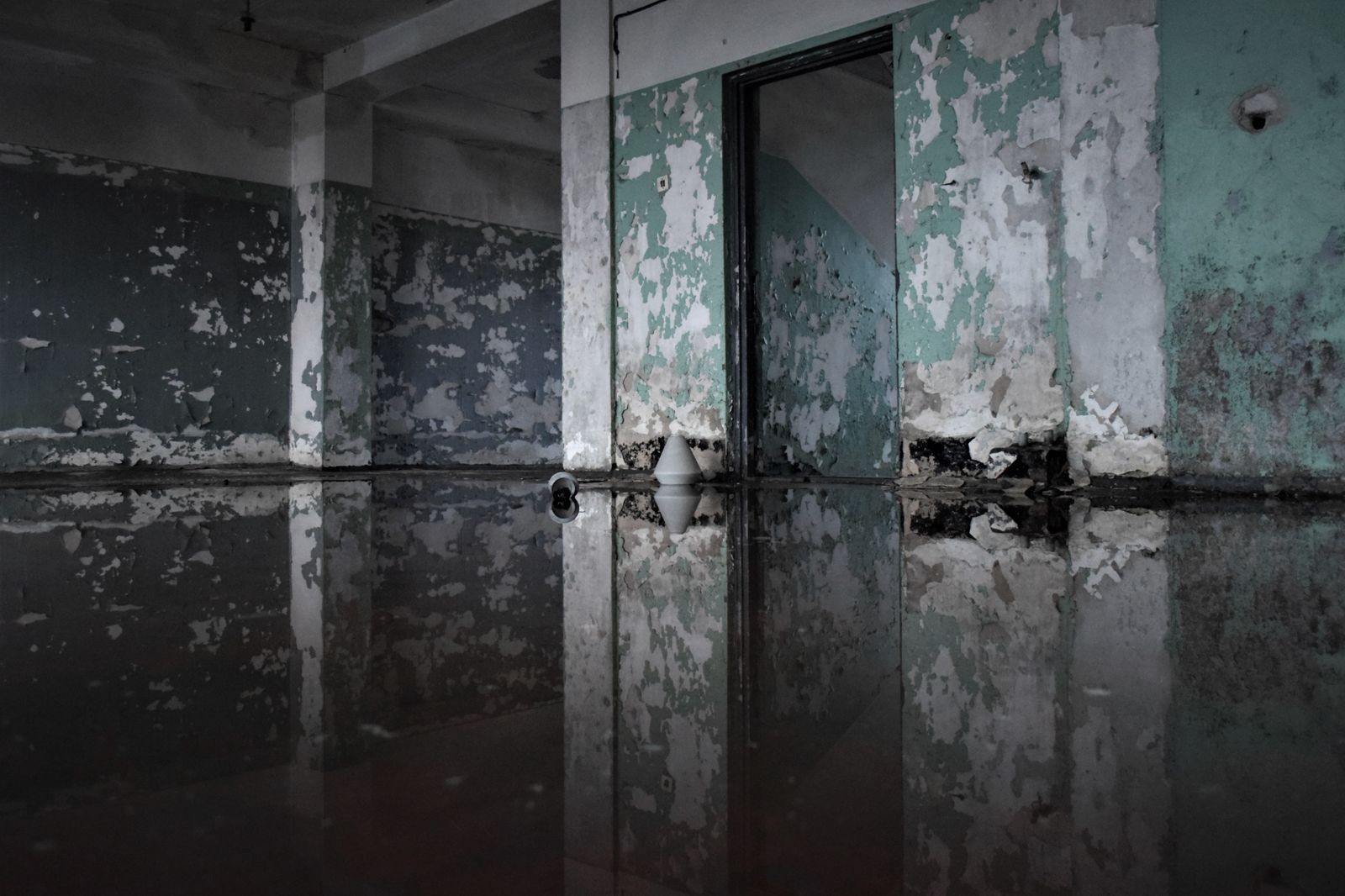

Illustrative photos: the first shows the kind of damage Seattle homeowners call about, the second the goal of proper extraction, drying and repair. Every home's damage, and every result, is different.
Judged by the standard the pros use
Restoration work in the United States follows the S500 standard. It grades water into three categories, from clean supply-line water to contaminated sewage, and grades each drying job into four classes by how much water the building absorbed. Those grades decide what gets dried, what gets removed, and how long the equipment runs. When a provider explains your job in those terms — and verifies the result with moisture readings against a dry standard — you are hearing the language every insurer in the country also uses. It is the difference between a home that feels dry and a home that is measurably dry.
Seattle problems are Seattle-specific
A burst pipe in Seattle is not the same problem as a burst pipe in Phoenix. Here the pipe may be a century old, the home may drain through a side sewer you own without knowing it, the basement may sit below a hillside water table, and the rain that finds the failure may arrive as a week-long atmospheric river or a king tide pushing back through the drains. We built this service around the city's actual failure patterns: aging side sewers and shared lines, convergence-zone downpours, groundwater flooding far outside the mapped flood zones, and pipes that let go in the rare hard freeze. The guides below explain each of them in plain English.
Guides Seattle homeowners read first
- What water damage restoration costs in Seattle — and what decides the bill
- Does homeowners insurance cover water damage?
- What is a side sewer? The pipe you own without knowing it
- Water damage in the first hour: the checklist
- Seattle flooding: zones, king tides and creeks
All fifteen guides live in our guides library.
Questions Seattle homeowners ask first
How much does water damage restoration cost in Seattle?
There is no honest flat price, because the cost depends on how much water there is, where it came from, how long it sat, and which materials are wet. The provider who comes out measures the damage in person and explains the full cost before work starts, so you decide with real numbers.
How fast can a provider get to my home?
It depends on which providers are free and how many emergencies are already running, and no honest service can promise an exact arrival time on a website. What you control is the call itself. Water spreads by the hour, so calling now puts you in line hours ahead of calling tomorrow morning.
What should I do first when I find water damage?
If you can do it safely, shut the water off at the main valve, and stay away from water near outlets or the electrical panel. Move valuables off the floor, take photos of every wet room for your records and your insurer, and then call. Do not wait to see whether it dries out on its own.
Will my homeowners insurance cover water damage?
Many policies cover sudden and accidental damage, like a burst pipe, while slow leaks, outside flooding, and sewer backups are often treated differently or need added coverage. Your insurer decides under your policy, so report the damage the same day, keep your photos and notes, and save every receipt from the cleanup.
Speak with a coordinator now — we will connect you with a local provider who can help.
Call (206) 844-3577