Mold Prevention After Water Damage in Seattle, WA
The leak is fixed, the floor feels dry — and the problem is not over. Mold starts growing on wet building materials within a day or two, quietly, inside walls and under flooring where nobody can see it. By the time a musty smell shows up, it has been growing for weeks. Prevention is not a spray or a wipe-down. It is drying the structure to measured levels before mold gets its start, and that window is short.
Mold is the second disaster that follows the first one. Given moisture and something to feed on — drywall paper, wood, carpet backing, dust — mold can start growing within a day or two of a leak or flood, and Seattle's damp climate does not slow it down. The prevention is not complicated, but it is time-sensitive: get the water out, and get the structure genuinely dry, fast.
This page is about prevention after water damage. If you have had a leak, a flood or a burst pipe, call and we will connect you with an independent local provider whose drying work is what stands between you and a mold problem.
Speak with a coordinator now — we will connect you with a local provider who can help.
Call (206) 844-3577Before the call, and after the work
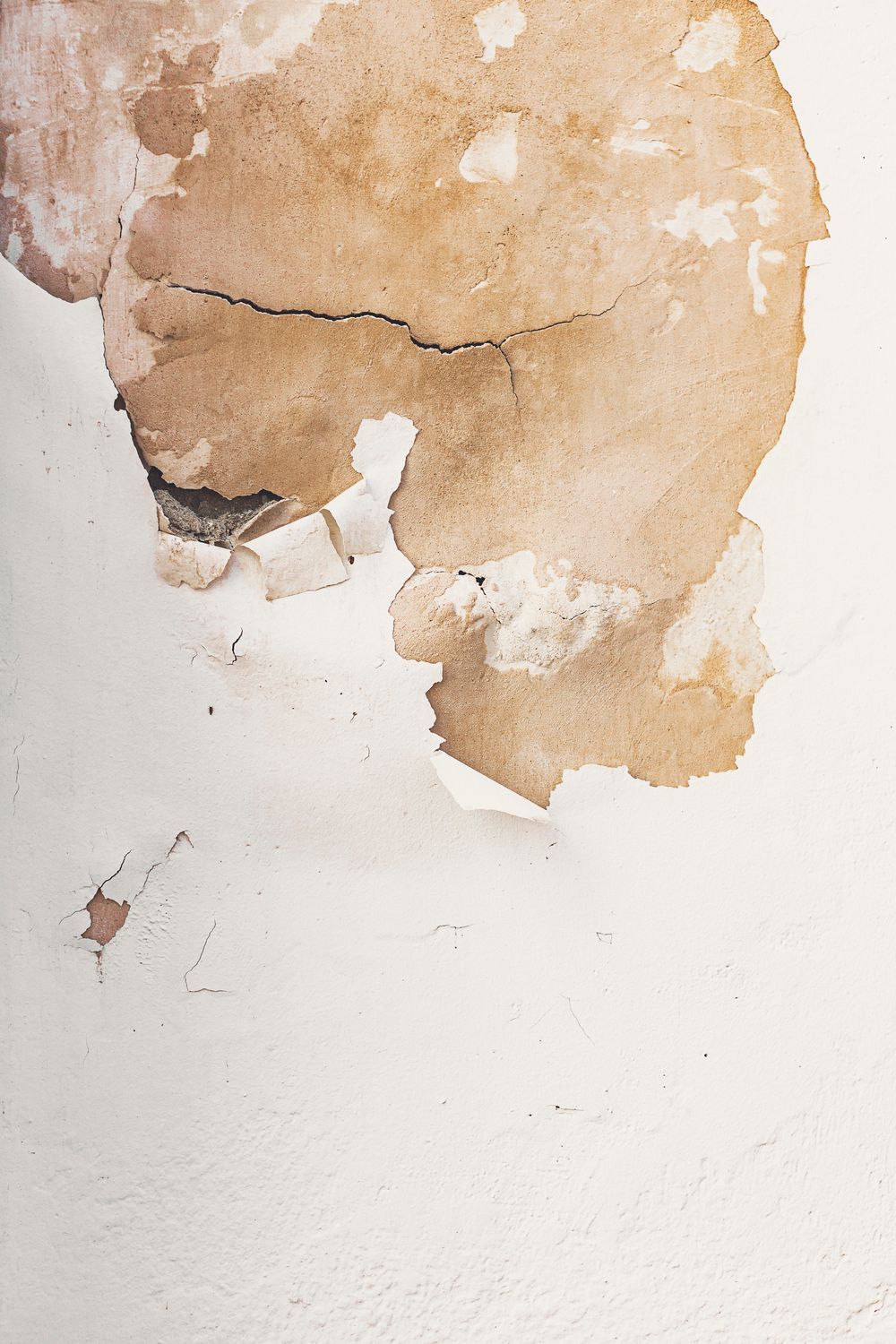

Illustrative photos: the first shows the kind of damage Seattle homeowners call about, the second the goal of proper extraction, drying and repair. Every home's damage, and every result, is different.
What proper drying actually does
- Extracts standing water and saturated materials before mold gets a foothold
- Moves air across wet surfaces and pulls humidity out with dehumidifiers
- Opens wall cavities when water has gotten inside them, so they dry instead of incubating
- Verifies with moisture meters that materials are back to a dry standard before equipment leaves
The mistakes that cause mold after a leak
The pattern is almost always the same: the visible water is cleaned up, the surface feels dry, and the moisture inside the wall, under the floor or in the crawl space is left to sit. Weeks later there is a musty smell, then staining, then a real remediation job. Renting a single fan for a day rarely dries a structure; thorough drying is measured, not guessed. If your water problem started below grade, our basement flooding page covers the crawl space and foundation side of it.
The 24 to 48 hour window, explained
The mold clock starts when materials get wet, not when you notice them. EPA, CDC and FEMA guidance all land on the same window: dry wet materials within 24 to 48 hours and mold usually does not get a foothold. Past that window, spores that are already in every home's air begin colonizing wet drywall paper, carpet padding and insulation. Prevention is therefore mostly a speed and thoroughness contest — extraction fast, drying verified with moisture meters, and wet porous materials removed when they cannot be dried in time.
Professionals also use containment — sealing a work area with plastic sheeting and negative air — so that disturbing a moldy wall does not spread spores through the rest of the house, and antimicrobial treatments on cleaned surfaces where appropriate. Bleach on a stain does neither of those jobs.
How it works
You call
Call the number on this page and tell the coordinator what happened — a burst pipe, a flooded basement, a sewage backup, whatever you are dealing with.
We connect you
We connect your call to an independent water damage restoration provider who serves your part of Seattle and can take the job.
They respond
The provider talks with you directly, arranges to come out, assesses the damage in person and explains the work and the cost before anything begins.
We are a connecting service, not a restoration contractor. The provider who responds is an independent third-party company, and any agreement for work is between you and that provider.
Related services
Questions about mold prevention after water damage
How quickly can mold start after water damage?
Under the right conditions — warmth, moisture and an organic food source like drywall paper — mold growth can begin within 24 to 48 hours. That does not mean every leak becomes a mold disaster in two days, but it does mean the drying clock starts when the water arrives, not when you get around to dealing with it.
I can see mold already. Is it too late for prevention?
Visible growth means the moisture problem has been running for a while, and the first job is still the same: find and stop the water source and dry the structure, because mold returns to any surface that stays wet. A provider who responds to your call can assess the extent of growth in person and explain your options honestly, including when a dedicated remediation specialist is the right next step.
Speak with a coordinator now — we will connect you with a local provider who can help.
Call (206) 844-3577