Flood Cleanup in Seattle, WA
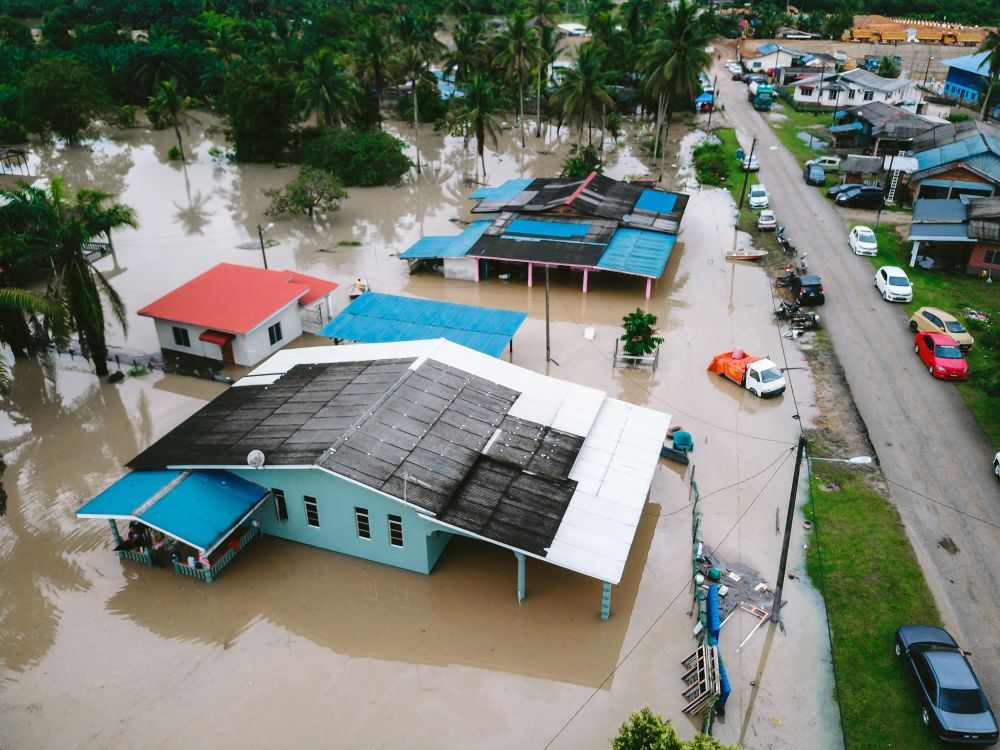
When flood water comes into a home, it does not arrive clean and it does not leave on its own. It carries street dirt, bacteria and whatever it picked up on the way in, and it leaves silt in every low corner. Standing in it, the only question that matters is who is coming to take it out — because the longer it sits in walls and flooring, the more of your home has to be torn out with it.
Seattle flooding usually does not arrive as a river over the doorstep. It is a week of rain that saturates the ground until basements seep, a storm drain that cannot keep up, a creek-side low spot near Thornton Creek or Longfellow Creek, or groundwater that simply finds the foundation crack it has been looking for.
Flood cleanup means getting the water out, removing what the water ruined, cleaning and sanitizing what it touched, and drying the structure properly. Call and we will connect you with an independent local provider who does this work in Seattle homes.
Speak with a coordinator now — we will connect you with a local provider who can help.
Call (206) 844-3577Before the call, and after the work

Illustrative photos: the first shows the kind of damage Seattle homeowners call about, the second the goal of proper extraction, drying and repair. Every home's damage, and every result, is different.
What flood cleanup covers
- Pumping and extracting flood water from basements, lower levels and garages
- Removing water-damaged materials that cannot be saved, such as soaked drywall and insulation
- Cleaning and sanitizing surfaces the flood water touched
- Structural drying with air movers and dehumidifiers, checked with moisture meters
- Pointing out where the water came in, so you can address the entry point
Clean water, grey water, and why it matters
Rainwater that seeps through a foundation is handled differently from water that has mixed with soil, drains or sewage on its way in. Flood water that crossed the ground can carry contaminants, which is why providers treat cleanup as a cleaning and sanitizing job, not only a drying job. If the water smells of sewage or came up through a drain, say so on the call — it changes the response, and it is covered on our sewage backup page.
Why Seattle floods rarely look like floods
Most Seattle basement flooding never touches a mapped flood zone. It comes from saturated ground after a long rain, from storm drains overwhelmed during an atmospheric river, from king tides pushing water up through drainage in low neighborhoods like South Park, or from creeks — Thornton Creek, Longfellow Creek, Pipers Creek — running over their banks. Seattle Public Utilities tracks these patterns, and the city's flood-prone blocks are often the ones downhill of a convergence-zone downpour, not the ones beside a river.
That matters for cleanup because ground-driven water is treated as contaminated on arrival, and it matters for prevention because the fix is usually drainage, grading and backflow protection rather than sandbags.
How it works
You call
Call the number on this page and tell the coordinator what happened — a burst pipe, a flooded basement, a sewage backup, whatever you are dealing with.
We connect you
We connect your call to an independent water damage restoration provider who serves your part of Seattle and can take the job.
They respond
The provider talks with you directly, arranges to come out, assesses the damage in person and explains the work and the cost before anything begins.
We are a connecting service, not a restoration contractor. The provider who responds is an independent third-party company, and any agreement for work is between you and that provider.
Related services
Questions about flood cleanup
Should I start cleaning up before help arrives?
You can move valuables and undamaged belongings out of the wet area and take photos, which genuinely helps. Avoid wading through deep water, switch off power to flooded areas at the breaker if you can do it from a dry spot, and leave pumping, material removal and sanitizing to the provider — flood water can be contaminated even when it looks clear.
My basement floods every winter. Can cleanup stop it coming back?
Cleanup fixes the current damage; stopping the next flood is a drainage and waterproofing question, and a good provider will tell you honestly where the water is entering. Repeated seepage usually traces back to grading, gutters and downspouts, foundation cracks or a missing or failed sump system — all worth addressing once the space is dry.
Speak with a coordinator now — we will connect you with a local provider who can help.
Call (206) 844-3577