What Is a Side Sewer? The Pipe You Own Without Knowing It
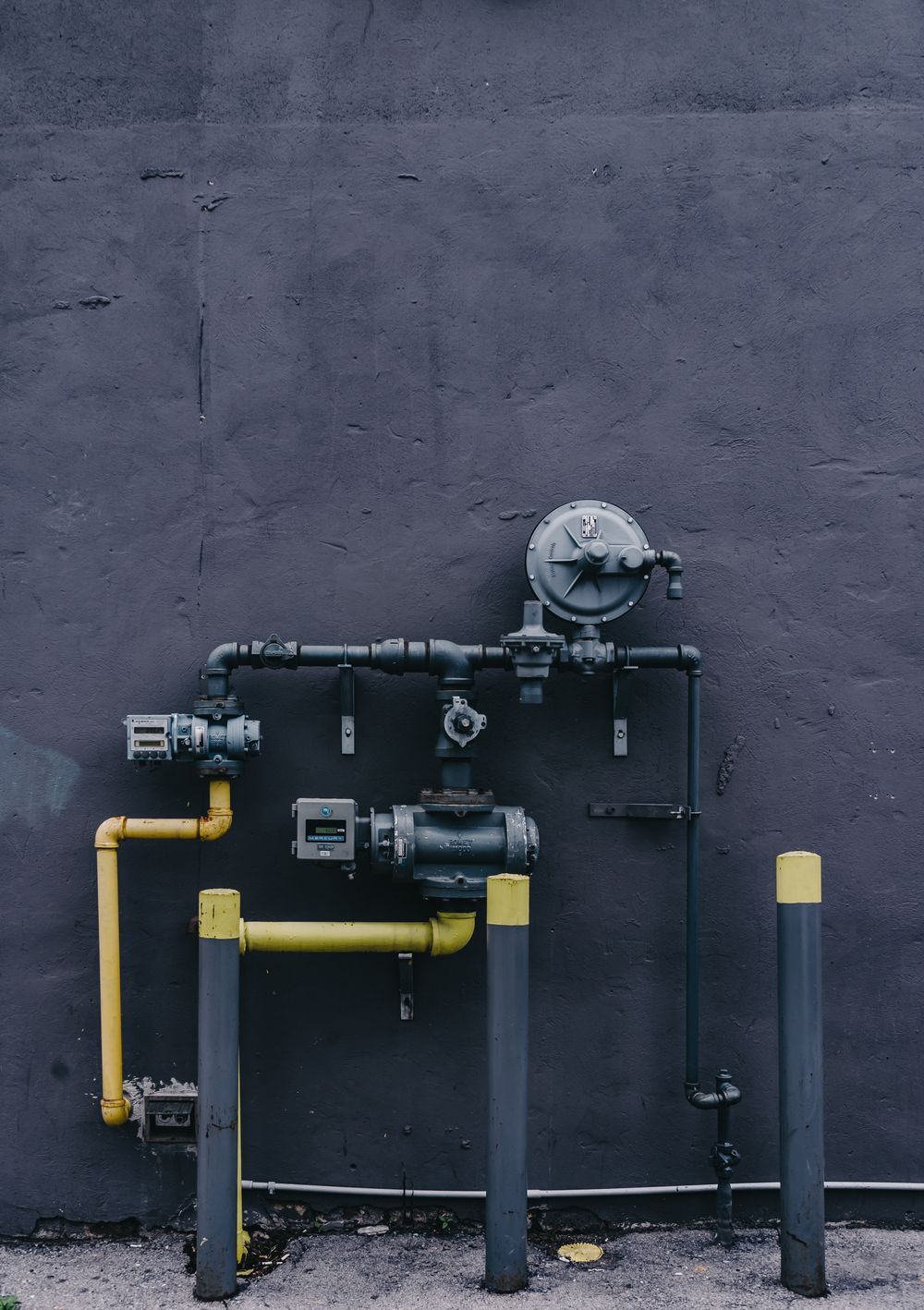
The side sewer is the pipe that carries wastewater from your house to the city main in the street — and in Seattle, the entire run belongs to the property owner, including the part under the sidewalk. It is the most expensive pipe most homeowners own, the one they have never seen, and the one behind a large share of Seattle's sewage backups. This guide explains where it runs, how it fails, and how to find yours.
Speak with a coordinator now — we will connect you with a local provider who can help.
Call (206) 844-3577From your drains to the main
Every drain in the house joins a building drain, which exits the foundation and becomes the side sewer. From there it crosses your yard — often under the driveway or a planting strip — passes beneath the sidewalk, and connects to the city's sewer main, typically in the street. Seattle Municipal Code chapter 21.16 assigns the owner responsibility for that whole path, including the connection.
Age is the quiet issue. Seattle's housing booms laid clay, concrete and cast-iron lines that have now served 60 to 120 years. Joints separated, roots entered, sections sagged into bellies that collect solids.
Shared side sewers: Seattle's special case
In many older neighborhoods, one side sewer serves two or more houses, joining at a shared run before the main. Under SMC 21.16.354, owners on a shared line share maintenance responsibility for the shared portion. Finding out whether your line is shared — through the city's side sewer maps or a camera inspection — is far easier before a failure than during one.
How to find and check yours
- Search the city's side sewer map records for your address
- Ask Seattle Public Utilities' side sewer program for help locating the line
- Have a provider scope it with a camera and locator — the video shows condition, and the locator marks the path on the ground
- Keep the video and report with your home records; buyers and insurers both value it
The trees over your line are not decoration
Seattle's canopy is beautiful and, for side sewers, professionally interested. Roots enter at joints seeking water, and a mature tree's root zone reaches far beyond its canopy edge — removing the tree rarely removes roots already inside the pipe, which is why arborists and sewer scopes both belong in the conversation. Species, distance and pipe material decide the risk your line carries. If your yard holds an old maple over the line's path, treat scoping the way you treat the roof inspection: unglamorous, periodic, and much cheaper than the alternative.
Reading a scope report like an owner
A good scope report speaks a small vocabulary worth learning. An offset joint means two pipe sections no longer align — a lip that catches solids and roots. A belly is a sag that holds water permanently, aging the pipe and feeding blockages. Root intrusion is graded by how much of the pipe the roots occupy. A fracture is a crack; a collapse is the end of the conversation. When a provider shows you footage, ask them to narrate in exactly these terms and to mark footage distances. The report you keep becomes the baseline every future decision is measured against.
When the problem is already in your home
Guides end where work begins. If this is happening at your address now, skip the reading: Side Sewer is the service that handles it, and one call connects you with a local, independent provider.
Questions this guide answers
Does the city ever pay for side sewer repairs?
The city maintains the main and its own system; the side sewer is the owner's under Seattle code. Where a city tree or the city's work has damaged your line, claim processes exist — SPU is the right first call to establish the facts.
Speak with a coordinator now — we will connect you with a local provider who can help.
Call (206) 844-3577