Seattle Flooding: The Map in Your Head Is Wrong
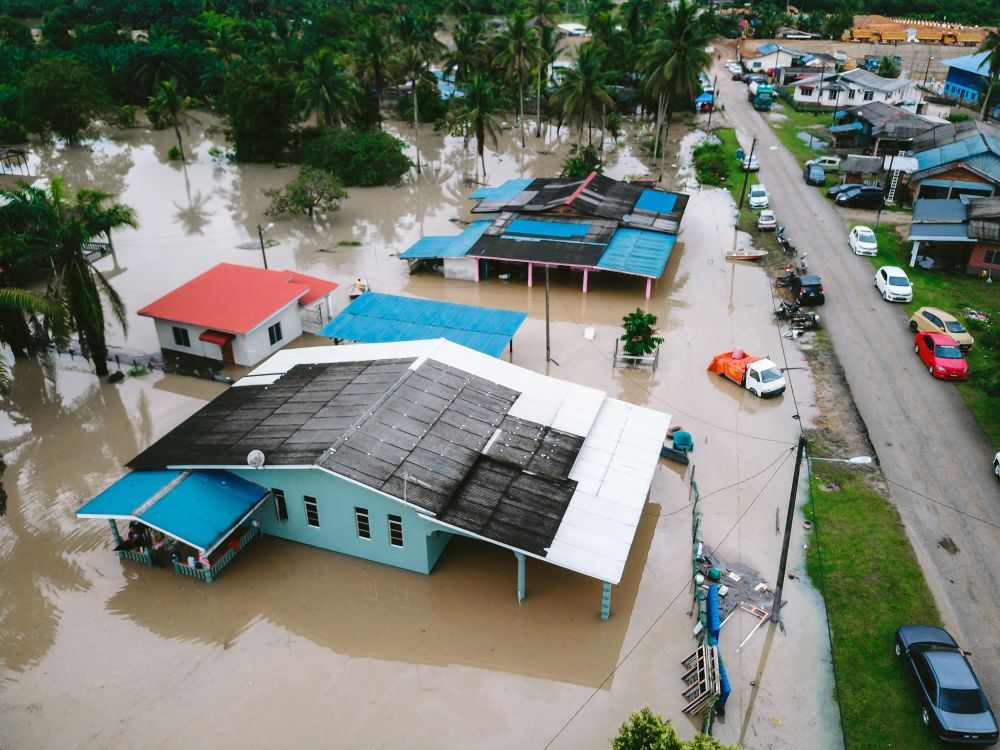
Most Seattle homes that flood sit outside the official high-risk flood zones. The water arrives as groundwater after a week of rain, as drainage overwhelmed in a downpour, as king tides pushing into low shoreline neighborhoods, or as a creek leaving its banks. This guide is the local picture: which patterns matter, when they peak, and what a homeowner does with that knowledge.
Speak with a coordinator now — we will connect you with a local provider who can help.
Call (206) 844-3577The three Seattle flood patterns
- Groundwater and drainage flooding. The most common by far. Saturated hillsides, high water tables and storm drains at capacity push water into basements across the city, flood map or no flood map.
- King tides. The year's highest tides, roughly November through early March, flood low shoreline areas and can back water up through drainage in neighborhoods like South Park along the Duwamish.
- Creek flooding. Thornton Creek around Meadowbrook, Longfellow Creek through Delridge, and Pipers Creek by Carkeek Park all leave their banks in heavy rain, taking nearby basements with them.
The seasonal calendar
Seattle's flood season runs roughly Halloween to April — the same window as the city's landslide season — punctuated by atmospheric rivers and convergence-zone downpours. The January freeze adds a second pattern: burst pipes citywide when Arctic air follows the rain. Knowing the calendar turns preparation from a guess into a habit: gutters and drains checked in October, sump tested before the first big storm, side sewer scoped if it has been years.
What this means for insurance
Standard homeowners policies exclude outside flooding regardless of zones. Because so much Seattle flooding happens outside mapped high-risk areas, many owners who would benefit from a flood policy assume they do not need one. The zone map is a pricing tool for insurers — it was never a promise about your basement.
Your personal flood kit, Seattle edition
Forget generic disaster kits — a Seattle flood kit is specific. It holds your shutoff knowledge, your insurer's claim number, a headlamp for the crawl space, the scope video of your side sewer, and photos of your basement as it normally looks, taken on a dry day for the claim you hope never happens. Add the utility's emergency number and your provider's. When the creek rises or the tide and the rain coincide, the household that moves first is the one that prepared its information, not its sandbags.
After the water: the order of operations
When the rain stops, sequence matters. Photograph everything before touching it — the high-water line on the wall is evidence that vanishes with cleanup. Report the loss to your insurer the same day. Then mitigation: extraction, removal of what cannot be saved, sanitizing where ground or drain water was involved, and verified drying. Owners who reverse the order — discarding first, documenting later — spend weeks arguing about what the water touched. Seattle dries slowly in winter; expect the equipment days, keep the dehumidifiers running, and let readings, not impatience, end the job.
When the problem is already in your home
Guides end where work begins. If this is happening at your address now, skip the reading: Flood Cleanup is the service that handles it, and one call connects you with a local, independent provider.
Questions this guide answers
How do I know if my home is in a flood zone?
The city's flood maps and FEMA's map service both answer by address. Remember what the answer means: zone status affects insurance requirements and price. It does not determine whether your basement can flood — Seattle proves that every winter.
Do sandbags actually help a Seattle basement?
Sandbags defend a doorway against shallow flowing water for a short time; they do almost nothing against groundwater rising through the floor, which is Seattle's usual route in. If your floods arrive from below, money spent on drainage, a sump with backup power and a backwater valve defends you all season — sandbags defend a weekend.
Speak with a coordinator now — we will connect you with a local provider who can help.
Call (206) 844-3577