Water Extraction in Seattle, WA
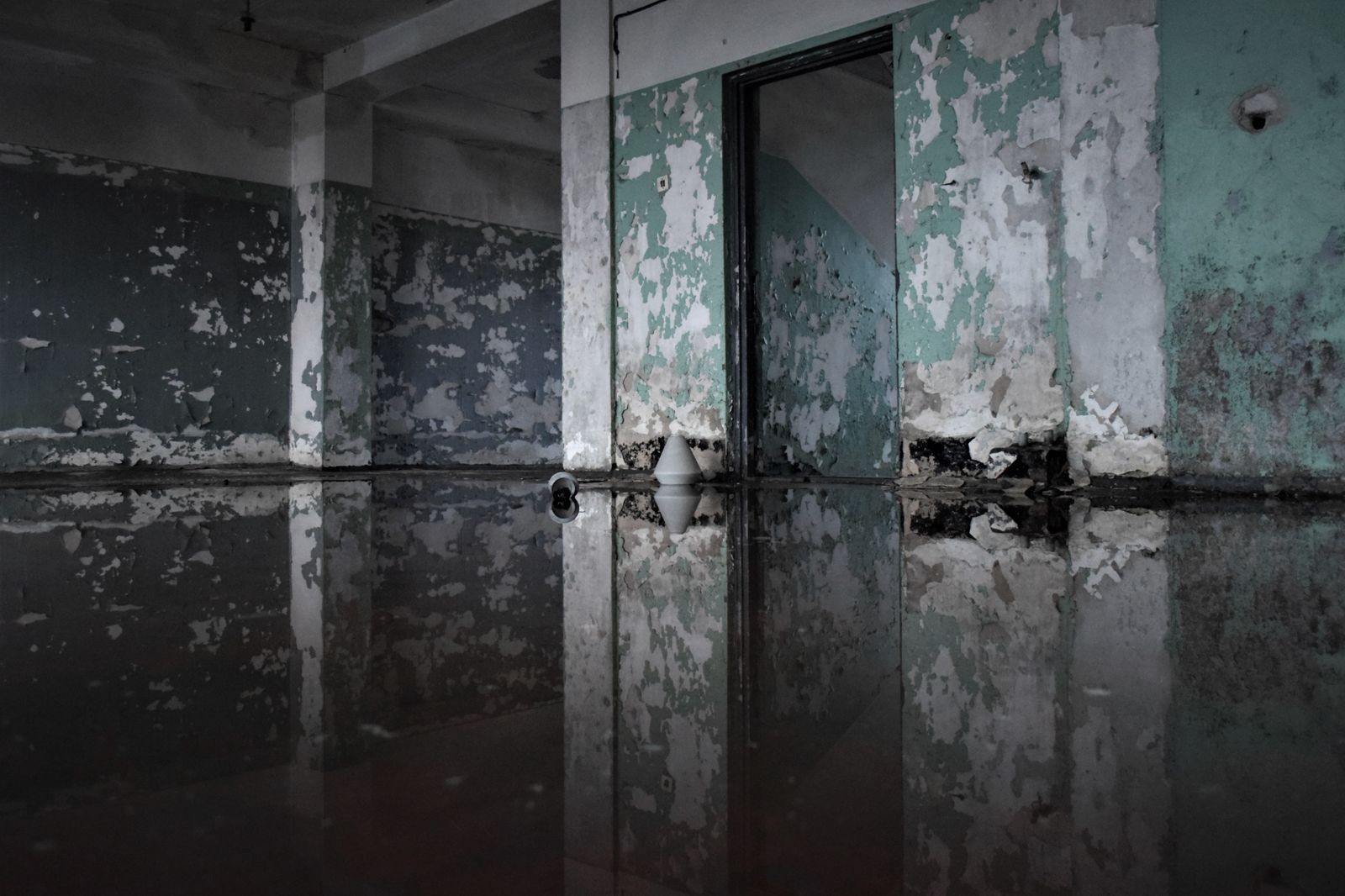
Right now the water is winning. It is under the flooring, climbing the baseboards, soaking the padding under the carpet — and every hour it sits, the wet area gets bigger and the drying bill grows with it. Mops and towels cannot keep up with water that has already reached the structure of the house. This is the moment extraction exists for: getting the bulk of the water out fast, before it finishes spreading.
When there is standing water in your home, extraction is the first real step of any restoration. Pumps and professional extraction equipment pull water out of carpets, padding, hardwood and subfloors far faster than towels, mops or a rented shop vacuum — and every hour the water sits, it spreads further into the structure of the house.
Call and we will connect you with an independent Seattle provider who handles water extraction and the structural drying that has to follow it. Removing the visible water is only half the job; moisture meters and drying equipment are what make sure the water you cannot see is gone too.
Speak with a coordinator now — we will connect you with a local provider who can help.
Call (206) 844-3577Before the call, and after the work
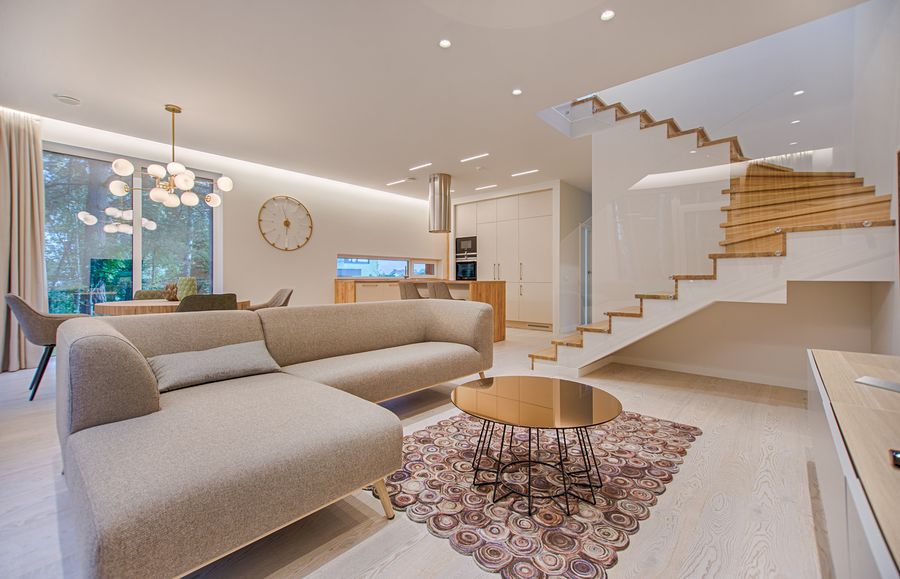
Illustrative photos: the first shows the kind of damage Seattle homeowners call about, the second the goal of proper extraction, drying and repair. Every home's damage, and every result, is different.
When you need extraction, not just a mop
Extraction is the right call whenever water covers a floor area, soaks carpet or padding, pools in a basement, or has had time to reach baseboards and wall cavities. Surface drying looks convincing and fails quietly — the padding under a carpet can hold moisture for days and feed mold while the top feels dry. Providers extract first, then set drying equipment sized to the space and the materials involved.
What the visit usually involves
- Finding and stopping the source, if it is still running
- Pumping or extracting standing water, including from carpet and padding
- Checking moisture levels in floors, walls and subflooring
- Placing air movers and dehumidifiers and setting a drying plan
- Explaining what materials can be saved and what cannot, before work goes further
How restoration professionals grade the water
Restoration work follows the S500 standard, which sorts water into three categories. Category 1 is clean water from a supply line. Category 2 carries contaminants, like water from a dishwasher or a washing machine. Category 3 is grossly contaminated — sewage, flood water that crossed the ground, or water that sat long enough to degrade. The category decides what can be dried in place and what has to come out, which is why a provider asks where the water came from before anything else.
Drying is graded too, in classes from 1 to 4 based on how much water the materials absorbed. A Class 1 loss dries quickly. A Class 4 loss — water deep in hardwood, plaster or a crawl space — needs specialty drying and more time. Moisture meters, hygrometers and thermal imaging cameras are how a provider proves which class you have and when it is truly dry.
How it works
You call
Call the number on this page and tell the coordinator what happened — a burst pipe, a flooded basement, a sewage backup, whatever you are dealing with.
We connect you
We connect your call to an independent water damage restoration provider who serves your part of Seattle and can take the job.
They respond
The provider talks with you directly, arranges to come out, assesses the damage in person and explains the work and the cost before anything begins.
We are a connecting service, not a restoration contractor. The provider who responds is an independent third-party company, and any agreement for work is between you and that provider.
Related services
Questions about water extraction
Can I extract the water myself?
For a small, clean-water spill caught immediately, towels and a wet vacuum can be enough. Once water covers a room, soaks into padding or subfloor, or comes from a drain or appliance, professional extraction is the safer choice — hidden moisture left behind is what turns a cleanup into a mold and rot problem weeks later.
How long does drying take after extraction?
Most homes need several days of drying equipment after the standing water is out, and the exact time depends on materials, humidity and how long the water sat. A provider checks moisture readings as drying progresses and removes equipment when the structure is actually dry, not when it merely feels dry to the touch.
Speak with a coordinator now — we will connect you with a local provider who can help.
Call (206) 844-3577