Burst Pipe Water Damage Help in Seattle, WA
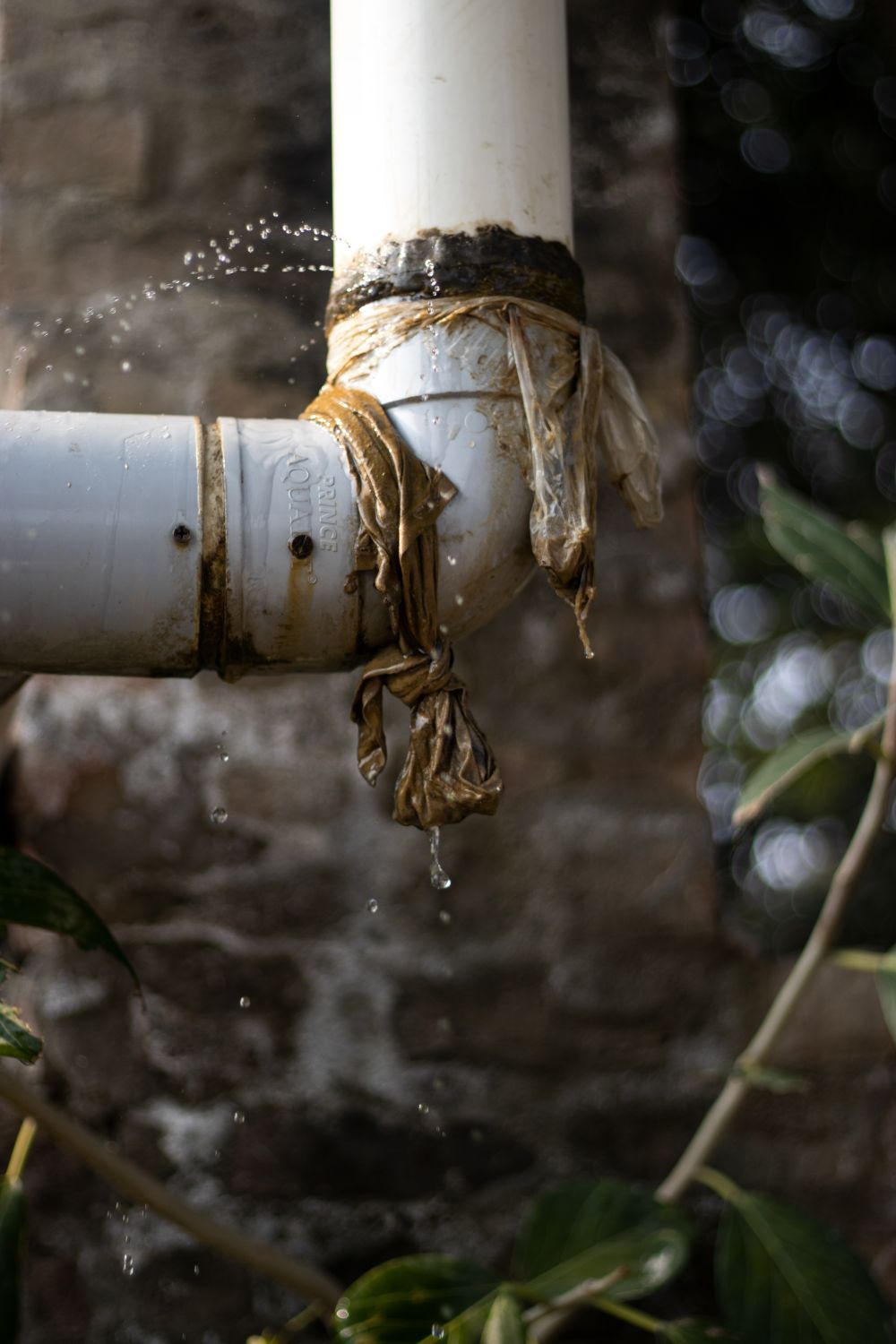
A burst pipe does not leak politely. It can pour hundreds of gallons into a wall or ceiling before anyone notices, and by the time a stain shows, the cavity behind it has usually been wet for days. Shut the water off at the main if you have not already — then understand what you are dealing with: this is not a drying job yet, it is a stop-the-spread job, and speed is the whole game.
A burst pipe is the fastest-moving kind of water damage there is. A split supply line can release hundreds of gallons before you find the shutoff, and Seattle's older housing stock — galvanized and copper lines that have been in service for fifty years or more — is exactly where pipes let go. Cold snaps do it, corrosion does it, and sometimes a pipe simply reaches the end of its life at 2 a.m.
If a pipe has burst, shut off your main water valve first if you can do it safely. Then call: we connect you with an independent local provider who handles the cleanup and drying, and who can talk you through the plumbing repair side of the damage as well.
Speak with a coordinator now — we will connect you with a local provider who can help.
Call (206) 844-3577Signs a pipe has burst or is about to
- A sudden drop in water pressure, or water where it should never be
- Bulging, stained or sagging ceilings and walls
- The sound of running water when every tap is off
- A water bill that jumps with no change in use
- Musty smells or mold appearing around a bathroom, kitchen or laundry wall
What happens after the water is off
Once the flow stops, the restoration work begins: extracting the water, opening up wet wall or ceiling cavities when needed so they can actually dry, removing materials that are too damaged to save, and running drying equipment until moisture readings are back to normal. The provider who responds will walk you through what they find and what it means before the work proceeds. For the water itself, see also our water extraction page.
Seattle's pipes, and the week they all burst
When a Puget Sound convergence zone cold snap parks Arctic air over the city, pipes in uninsulated crawl spaces and exterior walls freeze across whole neighborhoods at once. In the January 2024 freeze, Seattle Public Utilities fielded about 1,370 calls in five days — roughly five times the normal rate on the worst day — and repaired 15 water mains alongside thousands of private-side failures. Older Seattle homes carry galvanized supply lines from before 1960, and some pre-1930 homes still have lead gooseneck connections at the meter; both are at the end of their service life.
The practical defense is unglamorous: insulation on exposed lines, a shutoff valve you have actually tested, and knowing that a pipe that froze without bursting this winter is a pipe that has already been weakened.
How it works
You call
Call the number on this page and tell the coordinator what happened — a burst pipe, a flooded basement, a sewage backup, whatever you are dealing with.
We connect you
We connect your call to an independent water damage restoration provider who serves your part of Seattle and can take the job.
They respond
The provider talks with you directly, arranges to come out, assesses the damage in person and explains the work and the cost before anything begins.
We are a connecting service, not a restoration contractor. The provider who responds is an independent third-party company, and any agreement for work is between you and that provider.
Related services
Questions about burst pipe damage
Where is my main water shutoff valve?
In many Seattle homes it is in the basement or crawl space where the water line enters, near the front of the house, and there is usually a second shutoff at the meter by the street. Finding it on a calm day — and making sure it turns — is worth ten minutes. If you cannot stop the water, say so on the call so it is the first priority when help arrives.
Does insurance usually cover a burst pipe?
Many homeowners policies cover damage from a sudden and accidental pipe burst, while the cost of replacing the worn-out pipe itself is often treated as maintenance and excluded. Every policy differs, so document everything — photos, the damaged section of pipe if it is replaced, and your provider's notes — and report the loss to your insurer promptly. More on this on our insurance claim help page.
Speak with a coordinator now — we will connect you with a local provider who can help.
Call (206) 844-3577