Water Damage in the First Hour: A Plain Checklist
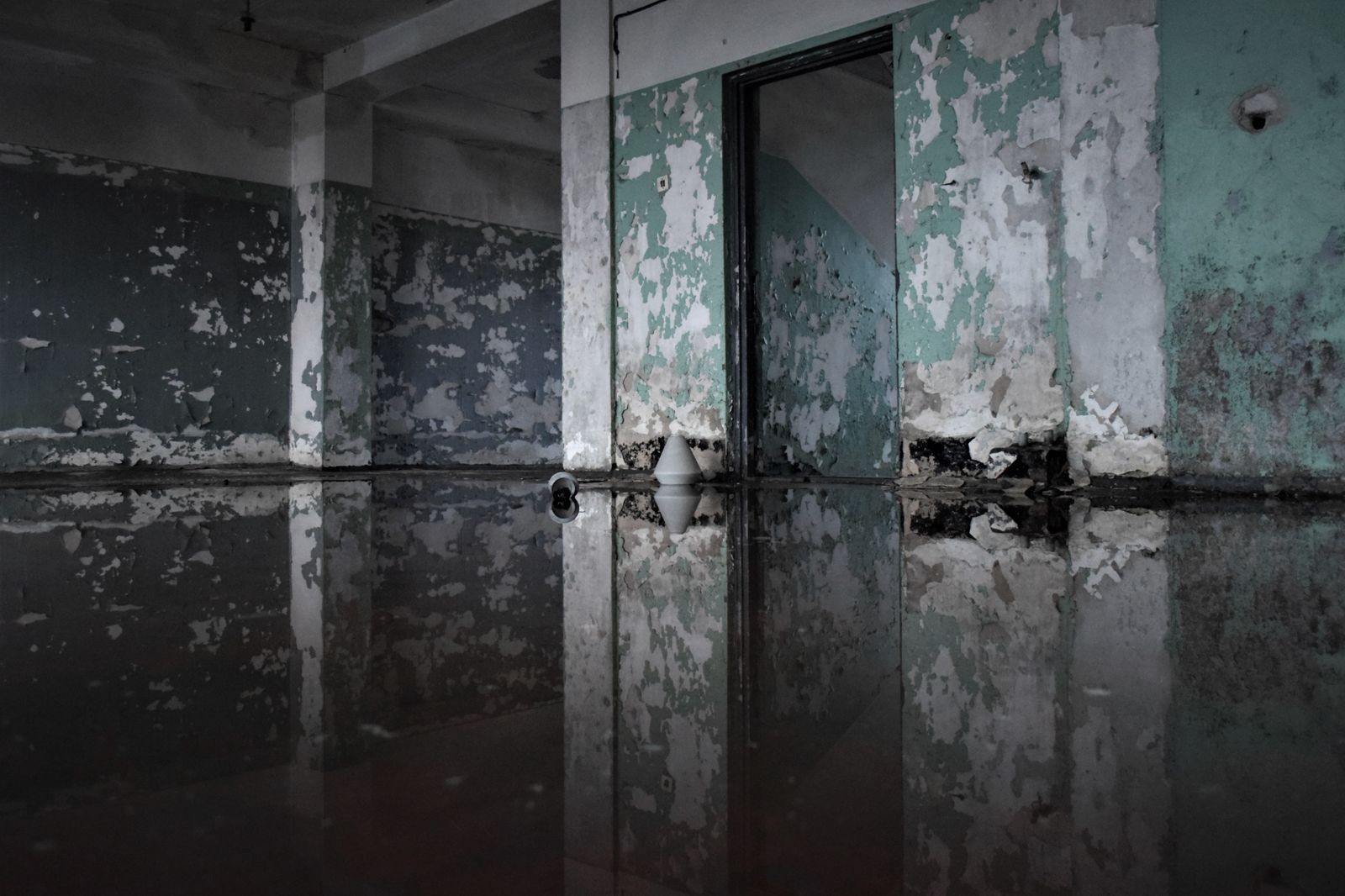
Stop the water if you safely can, keep clear of water near electricity, photograph everything, and call for help — in that order. The first hour decides whether you are paying for drying or for demolition, because water spreads through walls and floors the whole time it sits. This checklist is the order that protects your home, your claim and your wallet at once.
Speak with a coordinator now — we will connect you with a local provider who can help.
Call (206) 844-3577Minutes 0-10: safety and the source
- If water is near outlets, the panel or appliances, stay out of it and switch off the breaker to that area from a dry spot
- Shut off the water: the fixture valve for a single appliance, the main valve for anything bigger
- For a burst pipe in a Seattle home, the main shutoff is usually where the line enters the basement or crawl space, with a second shutoff at the street meter
- If sewage is involved, the room is closed: keep people and pets out
Minutes 10-30: protect and document
- Move valuables, electronics and furniture out of the wet area, or up on blocks
- Photograph and video every affected room before anything is thrown away — wide shots, then close-ups
- Note the time you found it and when the water started, if you know
- Mop or towel standing clean water if you like, but do not run fans into wall cavities or tear out materials yet
Minutes 30-60: the call and the claim
Call for mitigation now — drying that starts today saves materials that a weekend of waiting destroys. Then notify your insurer the same day; prompt reporting is often a policy condition. Keep every receipt from this point forward. What not to do: do not discard damaged materials before they are documented, do not assume a room is dry because the surface feels dry, and do not let anyone quote the whole job over the phone.
What not to do is half the list
The first hour has its own traps. Do not wade into water that may be sewage or anywhere near live electricity. Do not throw away soaked belongings before photographing them — your claim is built from them. Do not sign a full restoration contract in the first emotional hour; mitigation to stop the damage, yes, everything else can be scoped calmly. Do not run a borrowed fan for two days and declare the walls dry. And do not wait for a business-hours callback while water is moving. Restraint and speed, in that order, are the whole art.
Seattle specifics: meters, streets and the utility
Two Seattle details belong in every homeowner's memory. First, your water meter sits in a box at the street, usually under a small cover near the curb, and the city-side valve there can stop water when the house valve fails or hides. Second, for sewer and drainage emergencies — a backup that may involve the city main, water bubbling from a street drain — Seattle Public Utilities takes emergency calls around the clock at (206) 386-1800. Knowing which problem is yours and which is the city's saves the most expensive hour of the whole event: the first one.
When the problem is already in your home
Guides end where work begins. If this is happening at your address now, skip the reading: Water Damage Mitigation is the service that handles it, and one call connects you with a local, independent provider.
Questions this guide answers
Should I call my insurer before or after the restoration provider?
Mitigation first — stopping the damage is a duty in most policies — and the insurer the same day. The provider's documentation then supports the claim from hour one.
Speak with a coordinator now — we will connect you with a local provider who can help.
Call (206) 844-3577