Storm and Roof Leak Damage in Seattle, WA
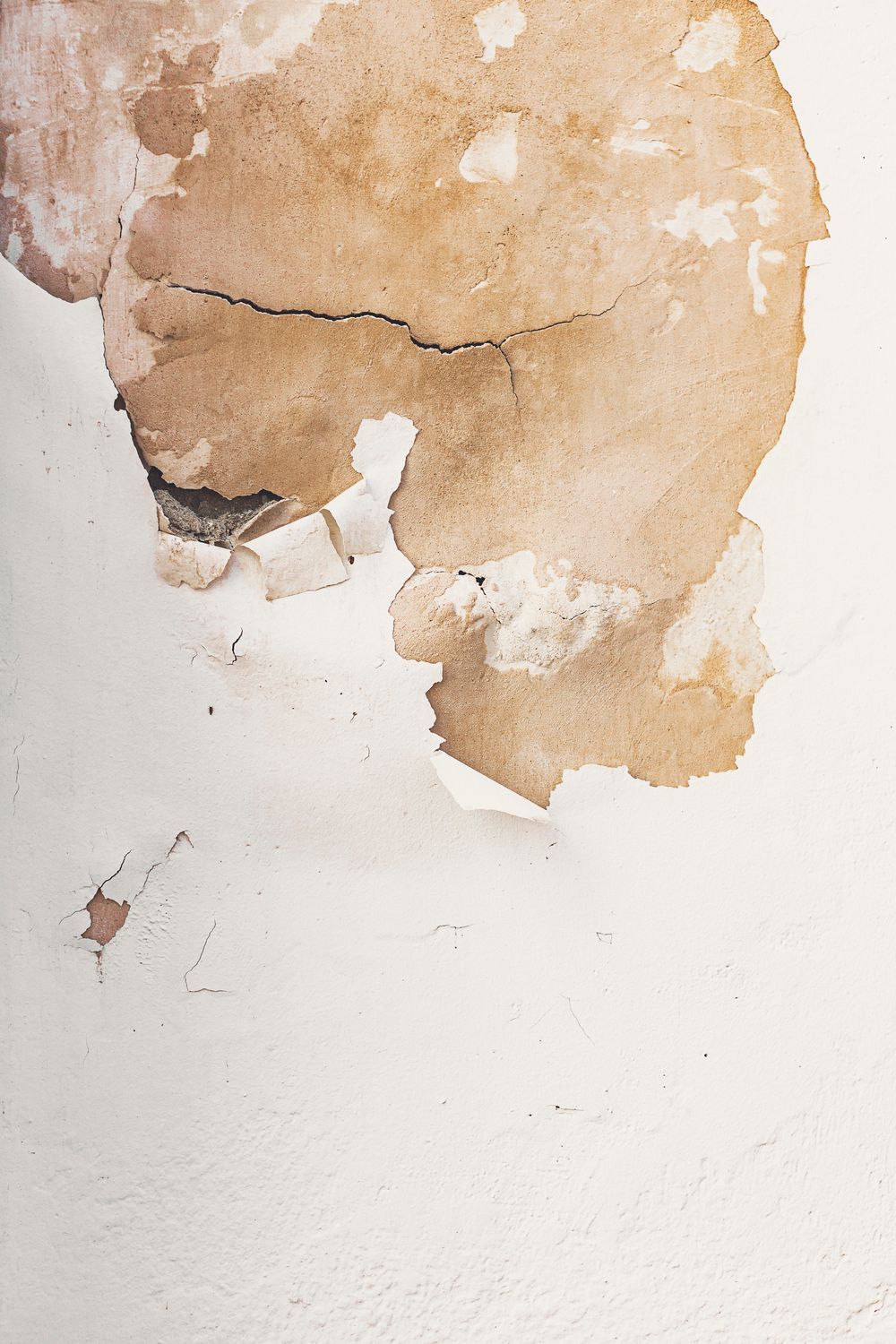
Seattle rain finds every weak point in a roof. Wind lifts shingles, flashing fails around chimneys and vents, and water travels along beams until it shows up as a stain rooms away from where it got in. The stain is the last chapter of the story, not the first — the wood and insulation above it have been wet through storm after storm. This page is about finding where the water is really coming from and dealing with all of it.
Seattle storms rarely tear a roof off. They do something quieter: wind drives rain sideways under shingles and flashing, gutters overflow against the fascia, and water enters the attic or a wall cavity where it can drip for weeks before a ceiling stain announces it. By the time you see the brown circle on the ceiling, the insulation above it is usually soaked and the drywall is soft.
Call and we will connect you with an independent local provider who handles the water damage side of roof and storm leaks — extracting and drying the interior, dealing with damaged materials, and telling you plainly what needs a roofer's repair so it does not happen again.
Speak with a coordinator now — we will connect you with a local provider who can help.
Call (206) 844-3577Where storm water usually gets in
- Lifted, cracked or missing shingles after high wind
- Failed flashing around chimneys, skylights and roof valleys
- Clogged gutters and downspouts spilling water behind siding and into walls
- Ice and debris dams in flatter roof sections and dead valleys
- Leaks around vents and plumbing penetrations
Drying the inside after a roof leak
The interior work is its own job: checking the attic and ceiling cavity with moisture meters, removing insulation that is too wet to save, drying framing and drywall, and watching for mold in the warm, dark spaces leaks love. Fixing the roof stops new water; it does nothing for the water already inside your ceiling. Both halves matter. Heavy rain that arrives through the ground as well as the roof is covered on our flood cleanup page.
Seattle storm patterns behind roof leaks
Seattle rain rarely arrives as one dramatic storm. It arrives as an atmospheric river that parks over the region for two days, or a Puget Sound convergence zone that dumps hours of rain on one band of the city while neighborhoods a few miles away stay dry. Roof leaks show up under that sustained load: failed flashing, worn valleys, moss lifting shingle edges, and gutters that overflow straight into the wall below. Wind-driven rain finds gaps that vertical rain never tests.
Between Halloween and the start of April, the same saturation drives Seattle's landslide season on steep slopes — a reminder that storm water management around a house is one system: roof, gutters, drainage and slope together.
How it works
You call
Call the number on this page and tell the coordinator what happened — a burst pipe, a flooded basement, a sewage backup, whatever you are dealing with.
We connect you
We connect your call to an independent water damage restoration provider who serves your part of Seattle and can take the job.
They respond
The provider talks with you directly, arranges to come out, assesses the damage in person and explains the work and the cost before anything begins.
We are a connecting service, not a restoration contractor. The provider who responds is an independent third-party company, and any agreement for work is between you and that provider.
Related services
Questions about storm & roof leak damage
The leak stopped when the rain stopped. Do I still need help?
If any meaningful amount of water got in, yes — the water inside the ceiling or wall does not leave when the weather clears, and insulation can hold it for weeks. A provider can measure the moisture and tell you whether it will dry on its own or needs equipment. That measurement is exactly what separates a stain you paint over from a mold problem you meet in spring.
Who fixes the roof itself?
The restoration provider handles the interior water damage; the roof repair belongs to a roofer, and your provider can usually point out the likely entry area to show them. Be wary of anyone who insists on bundling a full roof replacement into a water damage visit without a separate, clear explanation — the two jobs should each make sense on their own.
Speak with a coordinator now — we will connect you with a local provider who can help.
Call (206) 844-3577