Water Heater Leaking: First Steps and Honest Answers
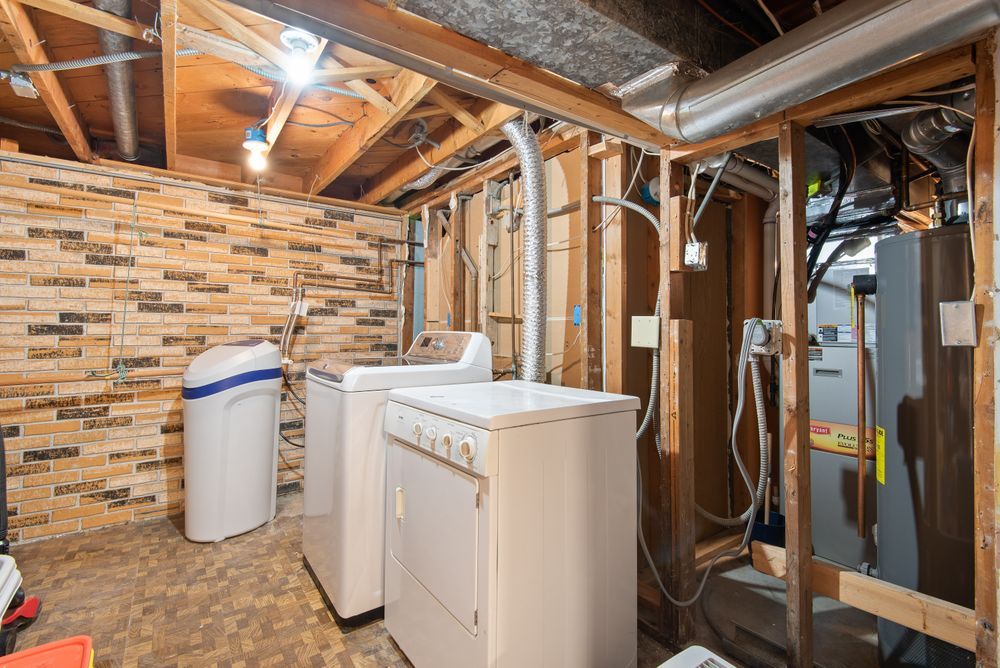
If your water heater is leaking, turn off its power or gas and close the cold water supply valve on top of the unit, then find where the water is escaping. A leaking fitting or pressure relief valve can often be repaired; a tank leaking from its body cannot — the tank is failing and replacement is the only fix. This guide walks the diagnosis in order.
Speak with a coordinator now — we will connect you with a local provider who can help.
Call (206) 844-3577Where is the water actually coming from?
- Top fittings and supply lines: drips at the inlet, outlet or the relief valve's discharge pipe — often a fitting or valve issue, repairable
- The temperature and pressure relief valve: occasional discharge can signal excess pressure or temperature — a safety device asking for attention, not a plug to cap
- The drain valve at the base: a slow drip here is a common, cheap fix
- The tank body: rust at the base, water seeping through the jacket or a spreading puddle with no fitting involved — the tank itself is done
The damage question is separate from the heater question
Insurance draws the same line. A policy may cover the damage a failed heater did to floors and walls while excluding the heater itself as a worn-out appliance. Either way, the restoration clock is already running: water from a heater in a utility room or basement spreads into flooring and wall bases, and drying that starts today saves what a weekend of puddle-watching destroys.
While you wait
Keep the area's power off if water reaches outlets. Move stored items off the floor — basement and garage storage is the usual casualty list. Photograph the leak and the spread for your insurer. And note the heater's age from its label: past roughly a decade, a tank leak surprises no one in the trade.
Sizing the replacement, while you have the chance
A failed heater forces a fast decision; make one good choice inside it. Match capacity to the household honestly — an undersized tank runs out and overworks, an oversized one heats water nobody uses. Ask about the anode, the warranty years, and whether your venting and space suit a like-for-like swap or a different style. And wherever the new unit lands, put a drain pan with a leak alarm under it. The next failure, a decade from now, should announce itself with a beep, not a flood.
Reading the label: age, size and the anode
The data plate on your heater tells its story: serial numbers encode the manufacture date, and a tank past roughly a decade is living on borrowed time in Seattle's water. Inside, a sacrificial anode rod corrodes so the tank does not — when the rod is spent, the tank becomes the meal. Nobody expects a homeowner to service an anode, but knowing it exists explains why two identical heaters die years apart, and why a plumber asks about maintenance history before quoting a replacement. Photograph the plate today; it is the first thing every conversation about the heater will need.
When the problem is already in your home
Guides end where work begins. If this is happening at your address now, skip the reading: Burst Pipe Damage is the service that handles it, and one call connects you with a local, independent provider.
Questions this guide answers
Can I still use the water in the house?
Yes — with the heater's supply closed and its power or gas off, the rest of the home's cold water normally works. You will simply have no hot water until the heater is repaired or replaced.
Should I drain the heater myself?
You can close the supply and the energy source safely; draining a full tank is slower and messier than it sounds, and a failing tank can release sediment and very hot water. Unless you are comfortable with the hose, the drain valve and the wait, leave the draining to the person replacing or repairing it — your job in the first hour is stopping more water from joining the leak.
Speak with a coordinator now — we will connect you with a local provider who can help.
Call (206) 844-3577