Frozen Pipes in Seattle: Rare Freeze, Expensive Lesson
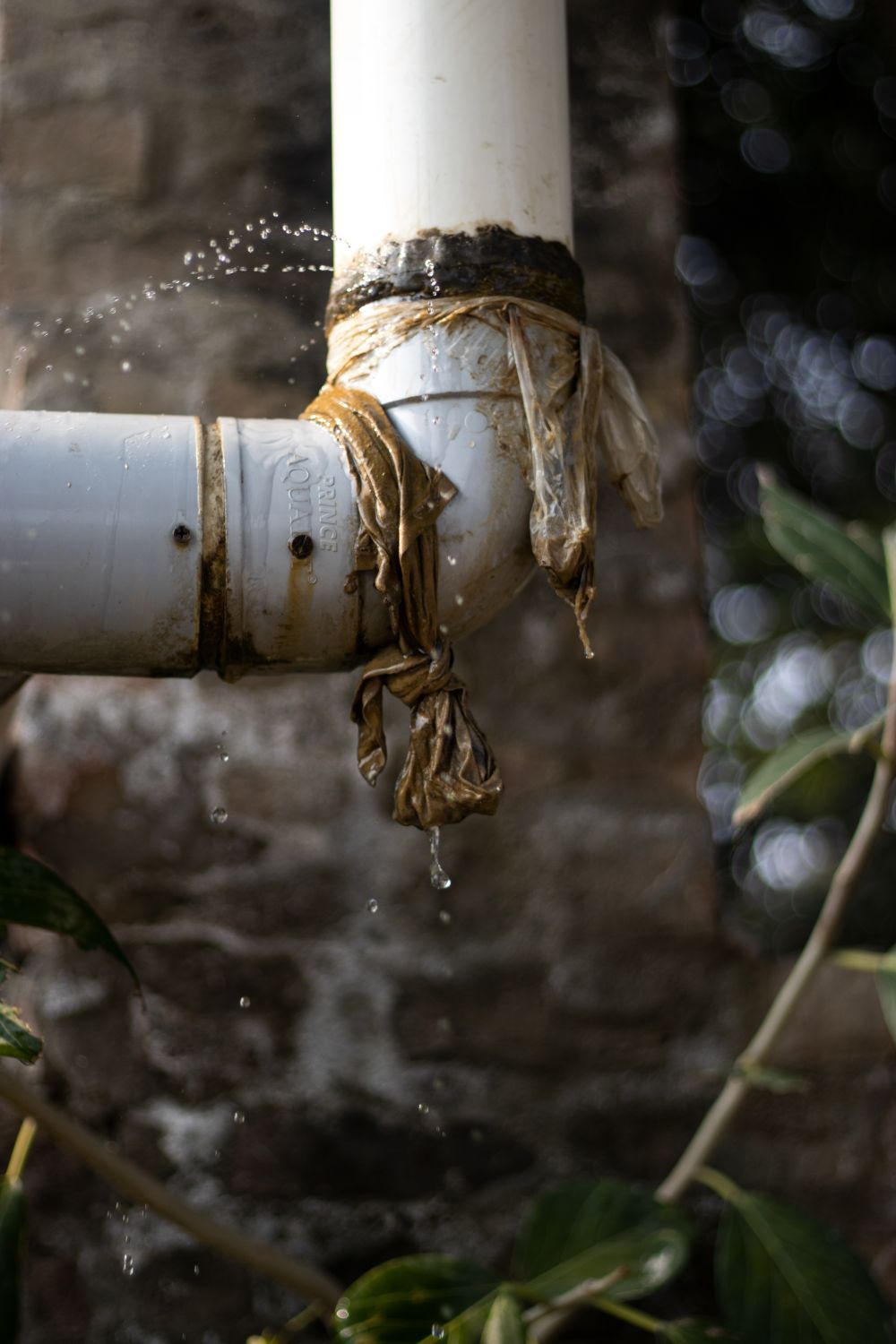
Seattle's mild winters are exactly the problem: homes here are built and insulated for rain, not for Arctic air, so when a hard freeze arrives, pipes in crawl spaces, garages and exterior walls freeze across the whole city at once — during the January 2024 freeze the utility took about five times its normal call volume in a day. Prevention is an hour of work. This guide is that hour, plus the first response when prevention loses.
Speak with a coordinator now — we will connect you with a local provider who can help.
Call (206) 844-3577The prevention hour
- Insulate exposed pipes in crawl spaces, garages and exterior walls — foam sleeves are cheap and fast
- Disconnect hoses and shut off exterior faucets from inside where a valve exists
- Know where your main shutoff is, and test that it turns
- On the coldest nights, let a vulnerable tap drip and open cabinet doors under sinks on exterior walls
- Keep the heat on, even when traveling — a cold house is a pipe lottery
Signs a pipe has frozen — and the moment it bursts
A tap that slows to a trickle or stops in freezing weather is a pipe freezing in progress. The burst itself often announces later, at thaw, as pressure returns: the sound of running water with every tap off, a stain spreading on a ceiling, or water where no water should be. That is shutoff-first, questions-later territory.
After the thaw
Shut the water off, photograph everything, and treat the cleanup as time-critical: a pipe that split inside a wall has usually been leaking into the cavity since the thaw. Drying verified with moisture readings is what stands between a burst pipe and a mold problem in spring.
Insulate like you mean it: the cold spots map
Walk your home with a freeze in mind and the map draws itself. Pipes on north-facing exterior walls. The crawl space run beneath the bathroom addition. The garage ceiling line feeding the hose bib. The unheated mudroom wall. These are the repeat offenders in every Seattle freeze, and they share one trait: moving air's temperature reaches them before the house's warmth does. Foam sleeves, sealed crawl vents in the coldest weeks, and heat tape on the worst run — the map is short, and so is the shopping list.
The thaw is the real test
More Seattle pipes are discovered burst at thaw than at freeze. Ice can plug its own break while frozen; the damage speaks when pressure returns. After any hard freeze, walk the house as things warm: listen for running water with every tap off, check the meter for movement nobody is causing, and look at ceilings below bathrooms and at crawl space access points. Catching a thaw leak in its first hour is the difference between drying a wall and replacing it. Your future self, the one not paying for demolition, thanks you for the walk.
When the problem is already in your home
Guides end where work begins. If this is happening at your address now, skip the reading: Burst Pipe Damage is the service that handles it, and one call connects you with a local, independent provider.
Questions this guide answers
A pipe froze last winter but never burst. Am I safe?
Safer, not safe. A freeze stretches and weakens a pipe, and the next hard freeze tests the same weak point. If you know which line froze, insulating it before the next cold snap is the cheapest repair you will ever buy.
Is heat tape on a pipe safe?
Modern self-regulating heat tape, installed to its instructions on the right pipe material, is a standard prevention tool — and a poor substitute for insulation around it. Never overlap it on itself unless the product allows it, and never under insulation it is not rated for. When in doubt, a plumber's short visit beats an experiment.
Speak with a coordinator now — we will connect you with a local provider who can help.
Call (206) 844-3577