Backwater Valves: The One-Way Door for Your Sewer Line
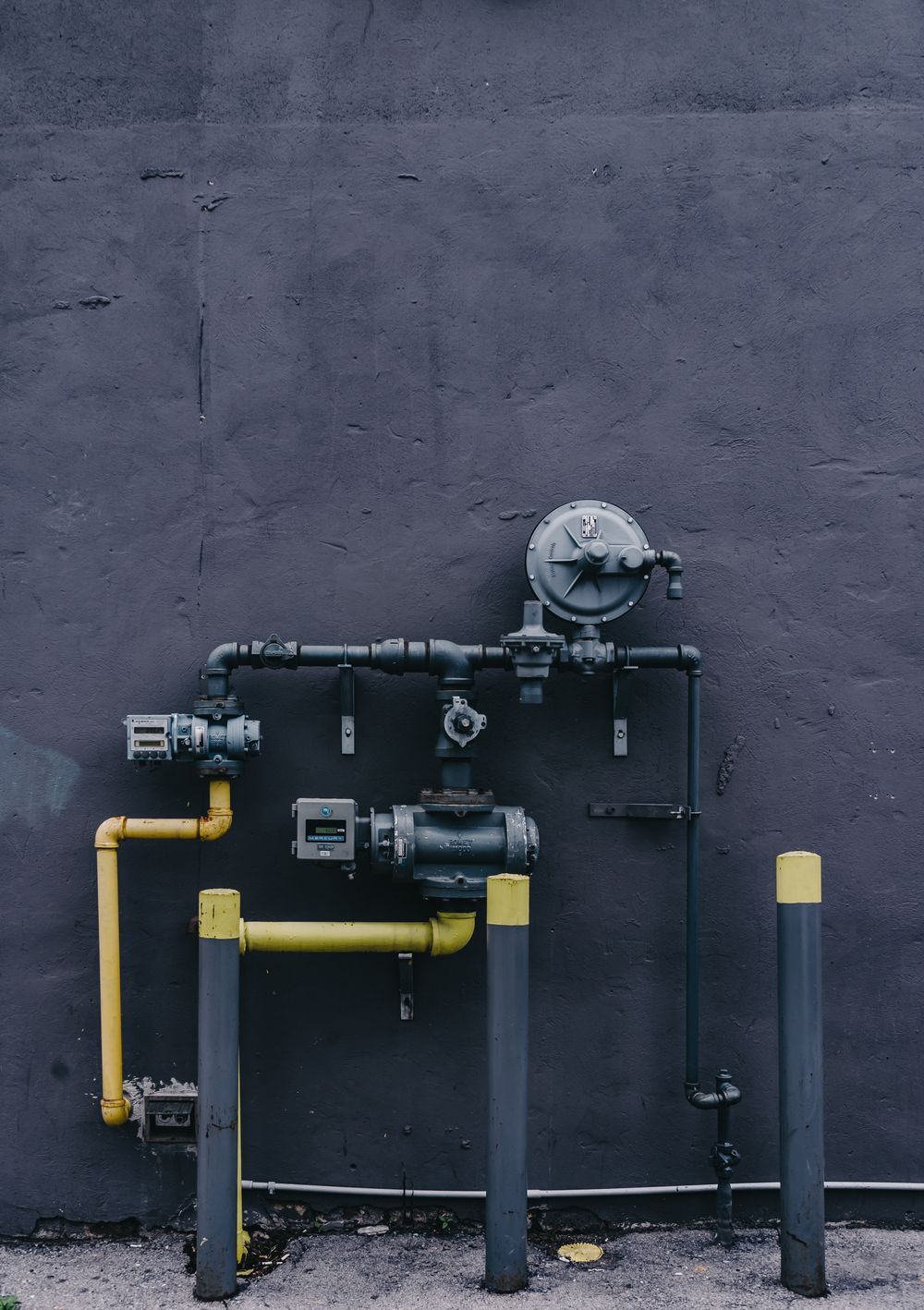
A backwater valve is a one-way gate installed on your sewer line: wastewater flows out freely, but if the city main surcharges during a storm, the gate closes and sewage cannot reverse into your basement. For Seattle homes with plumbing below street level, it is the single most effective backup prevention device — and this guide explains where it helps, where it does not, and what living with one involves.
Speak with a coordinator now — we will connect you with a local provider who can help.
Call (206) 844-3577Who should seriously consider one
- Homes with a basement bathroom, floor drain or laundry below the level of the street main
- Homes that have already had one backup — the conditions that caused it have not changed
- Older neighborhoods where storm surcharges push combined flow back toward houses
- Anyone finishing a basement: the valve is cheap insurance installed before the floor goes down
Honest limitations
A valve protects against water coming from the city side. It does nothing for a blockage in your own line — and while the gate is closed during a surcharge, your household water has nowhere to go, so heavy use during that window can back up your own drains. The valve also needs periodic inspection and cleaning to stay reliable; an access box at floor level makes that a ten-minute job instead of a digging project.
The insurance connection
Insurers price backup risk, and some look favorably on homes with a valve when writing the water backup endorsement — worth a direct question to your agent. Valve or not, the endorsement and the hardware protect different halves of the same disaster; serious Seattle basements carry both.
What it cannot do, one more time
It is worth repeating, because disappointment here is expensive. A backwater valve stops reversed flow from the city main. It does not unclog your line, fix a belly, or forgive a side sewer full of roots — and during a surcharge, while the gate holds back the city's water, your own household drains have limited room, so a long shower at the wrong hour can flood you with your own water. The valve is one layer. The scoped line, the maintained pipe and the endorsement are the others. Seattle basements stay dry in stacks, not singles.
Installation day, honestly described
Fitting a backwater valve means opening the line at the chosen access point — sometimes a small excavation in the yard, sometimes a section of basement floor — cutting the valve in with its access box reachable at surface level, and testing flow in both directions before closing up. Where the work touches the side sewer, city permits and standards apply, and inspectors may need to see the installation. A provider who has scoped your line can tell you in one visit where the valve belongs and what the day looks like. After that, your only duty is an occasional look inside the access box.
When the problem is already in your home
Guides end where work begins. If this is happening at your address now, skip the reading: Sewage Backup is the service that handles it, and one call connects you with a local, independent provider.
Questions this guide answers
Can a valve be added to an existing line?
Yes — it is cut into the line where it can be accessed for service, which on some homes means a small excavation or an access pit in the basement floor. A provider who has scoped the line can tell you the right location in one visit.
How often does a backwater valve need attention?
Once or twice a year, open the access box and check that the gate swings freely and the seat is clear of grit and grease. It takes minutes. A valve that is never inspected is a hope, not a device — the inspection habit is what makes it protection.
Speak with a coordinator now — we will connect you with a local provider who can help.
Call (206) 844-3577